When it comes to selecting a plastic plug for a specific function, there are numerous factors to consider. As a plastic plug supplier, I’ve witnessed firsthand the diverse requirements of our clients across various industries. In this blog, I’ll share some insights on how to make an informed decision when choosing the right plastic plug for your needs. Plastic Plug

Understanding the Application
The first step in selecting a plastic plug is to understand the application for which it will be used. Different industries have different requirements, and the function of the plug can vary widely. For example, in the automotive industry, plastic plugs are often used to seal holes in the bodywork to prevent water, dirt, and noise from entering the vehicle. In the electronics industry, plugs may be used to protect connectors or to insulate electrical components.
Material Selection
The choice of material is crucial when selecting a plastic plug. The material should be compatible with the environment in which the plug will be used. Some common materials used for plastic plugs include:
- Polyethylene (PE): This is a versatile and cost – effective material. It has good chemical resistance and is suitable for a wide range of applications. PE plugs are often used in general – purpose sealing applications.
- Polypropylene (PP): PP is a lightweight and rigid material. It has excellent chemical resistance and can withstand high temperatures. PP plugs are commonly used in automotive and industrial applications.
- Nylon: Nylon is a strong and durable material. It has good abrasion resistance and can withstand high stress. Nylon plugs are often used in applications where strength and durability are required, such as in machinery and equipment.
- Silicone: Silicone is a flexible and heat – resistant material. It has excellent sealing properties and can be used in applications where a tight seal is required, such as in food and beverage industries or in medical devices.
Size and Shape
The size and shape of the plastic plug are also important considerations. The plug should fit snugly into the hole or opening it is intended to seal. An ill – fitting plug may not provide an effective seal, which can lead to leakage or other problems.
The shape of the plug can vary depending on the application. Some common shapes include round, square, rectangular, and oval. The shape should be chosen based on the shape of the hole or opening it will be inserted into. Additionally, the size of the plug should be measured accurately to ensure a proper fit. This may involve measuring the diameter or dimensions of the hole and selecting a plug that is slightly larger to ensure a tight seal.
Sealing Requirements
The sealing requirements of the application will determine the type of plastic plug needed. For applications where a high – level of sealing is required, such as in fluid – handling systems or in environments where dust and moisture need to be kept out, plugs with a tight seal are essential.
Some plastic plugs are designed with features such as gaskets or O – rings to enhance the sealing properties. These features can provide a more reliable seal and prevent leakage. When selecting a plug for a sealing application, it’s important to consider the pressure and temperature conditions the plug will be exposed to, as well as the type of fluid or gas it will be sealing against.
Environmental Factors
The environment in which the plastic plug will be used can have a significant impact on its performance. Factors such as temperature, humidity, chemicals, and UV exposure can all affect the durability and functionality of the plug.
For example, in high – temperature environments, a plastic plug made from a heat – resistant material such as polypropylene or silicone may be required. In chemical – rich environments, a plug with good chemical resistance, such as one made from polyethylene or nylon, should be chosen. UV exposure can cause some plastics to degrade over time, so for outdoor applications, a plug with UV – resistant properties may be necessary.
Cost – Effectiveness
Cost is always a consideration when selecting a plastic plug. While it’s important to choose a high – quality plug that meets the requirements of the application, it’s also important to consider the cost – effectiveness.
Some materials may be more expensive than others, but they may also offer better performance and durability. When evaluating the cost – effectiveness of a plastic plug, it’s important to consider the long – term costs, including maintenance and replacement costs. A more expensive plug that lasts longer and requires less maintenance may ultimately be more cost – effective in the long run.
Industry Standards and Regulations
In many industries, there are specific standards and regulations that govern the use of plastic plugs. For example, in the food and beverage industry, plugs must meet certain food – grade requirements to ensure the safety of the products. In the medical industry, plugs must meet strict regulatory standards to ensure they are suitable for use in medical devices.
When selecting a plastic plug, it’s important to ensure that it meets the relevant industry standards and regulations. This may involve checking for certifications such as FDA approval or ISO standards.
Customization
In some cases, standard plastic plugs may not meet the specific requirements of an application. In such situations, customization may be necessary. As a plastic plug supplier, we offer customization services to meet the unique needs of our clients.
Customization can involve changing the size, shape, material, or color of the plug. It can also involve adding special features such as markings or logos. By working closely with our clients, we can develop custom – made plastic plugs that are tailored to their specific requirements.
Quality Assurance
Quality assurance is an important aspect of selecting a plastic plug. As a supplier, we have a strict quality control process in place to ensure that our plugs meet the highest standards of quality.
This includes testing the plugs for various properties such as strength, durability, and sealing performance. We also use high – quality materials and advanced manufacturing processes to ensure the reliability of our products. By choosing a supplier with a strong quality assurance program, you can be confident that you are getting a high – quality plastic plug that will perform as expected.
Conclusion
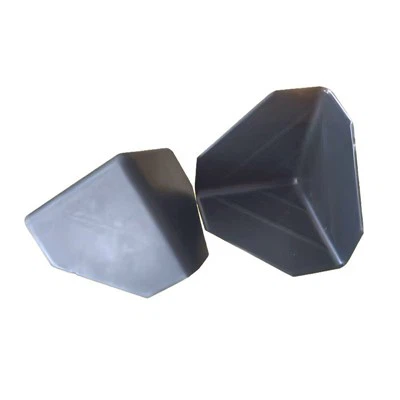
Selecting the right plastic plug for a specific function requires careful consideration of various factors, including the application, material, size, shape, sealing requirements, environmental factors, cost – effectiveness, industry standards, and customization options. As a plastic plug supplier, we are committed to providing our clients with high – quality products that meet their specific needs.
Plastic Plug If you are in need of plastic plugs for your application, I encourage you to contact us to discuss your requirements. Our team of experts will be happy to assist you in selecting the right plug and can provide you with a customized solution that meets your needs. We look forward to working with you to find the perfect plastic plug for your specific function.
References
- ASTM International. (2023). ASTM standards related to plastics.
- ISO. (2023). International Organization for Standardization standards for plastic products.
- Plastic Industry Association. (2023). Plastic materials and their applications.
Deqing Fengcheng Plastic Products Co., Ltd.
With abundant experience, we are one of the most professional plastic plug manufacturers and suppliers in China. We warmly welcome you to wholesale bulk customized plastic plug from our factory. If you have any enquiry about free sample, please feel free to email us.
Address: No. 18, Yanhe West Road, Yuyue Town, Deqing County, Huzhou City, Zhejiang Province
E-mail: super_fetching@163.com
WebSite: https://www.funchim.com/
