Carbon dioxide (CO₂) is a well – known greenhouse gas, but its impact on the color of the sky is a topic that often goes unnoticed. As a CO₂ supplier, I’ve had the opportunity to delve deep into the science behind CO₂ and its various effects on the environment. In this blog, we’ll explore how CO₂ affects the color of the sky, and I’ll also share some insights based on my experience in the CO₂ supply industry. Co2

The Basics of Atmospheric CO₂
Before we discuss how CO₂ affects the sky’s color, it’s essential to understand the role of CO₂ in the atmosphere. CO₂ is a trace gas, making up only about 0.04% of the Earth’s atmosphere. However, its concentration has been steadily increasing due to human activities such as the burning of fossil fuels, deforestation, and industrial processes.
The increase in CO₂ levels has significant implications for the Earth’s climate. CO₂ is a greenhouse gas, which means it traps heat from the sun in the Earth’s atmosphere. This leads to a rise in global temperatures, also known as global warming. But how does this relate to the color of the sky?
Rayleigh Scattering and the Color of the Sky
To understand how CO₂ affects the sky’s color, we first need to understand the basic principle of why the sky is blue under normal circumstances. The blue color of the sky is primarily due to a phenomenon called Rayleigh scattering. When sunlight enters the Earth’s atmosphere, it is composed of a spectrum of colors, with different wavelengths. Shorter wavelengths (such as blue and violet) are scattered more easily by the molecules in the atmosphere than longer wavelengths (such as red and orange).
The main molecules responsible for Rayleigh scattering are nitrogen and oxygen, which together make up about 99% of the Earth’s atmosphere. They scatter blue light in all directions, causing the sky to appear blue to an observer on the ground.
Indirect Effects of CO₂ on the Sky’s Color
CO₂ itself does not cause significant direct scattering of light like nitrogen and oxygen. However, its increase in the atmosphere has several indirect effects that can influence the color of the sky.
1. Climate Change and Cloud Formation
One of the most significant consequences of increased CO₂ levels is climate change. Rising temperatures due to global warming can lead to changes in cloud formation. Clouds play a crucial role in determining the color of the sky.
As the Earth warms, more water evaporates into the atmosphere. This can lead to an increase in cloud cover in some regions. Low – lying clouds, such as stratus clouds, can reflect a large portion of sunlight back into space. On a cloudy day, the sky may appear gray or white because the clouds scatter all wavelengths of light equally. In some cases, high – altitude cirrus clouds can form due to increased water vapor in the upper atmosphere. These clouds can scatter sunlight in a way that gives the sky a more pinkish or orange hue, especially during sunrise and sunset.
2. Air Pollution and Aerosol Interaction
Increased CO₂ levels are often associated with other forms of air pollution. Many industrial processes that emit CO₂ also release aerosols into the atmosphere. Aerosols are tiny particles, such as dust, soot, and sulfur compounds.
These aerosols can interact with sunlight in different ways. Some aerosols can scatter light, similar to the way molecules in the atmosphere do. However, the scattering effect of aerosols depends on their size and composition. Larger aerosols can scatter longer wavelengths of light, which can make the sky appear more hazy and can change its color from the typical blue to a milky white or even a yellow – brown color, especially in polluted areas.
3. Ozone Layer Changes
CO₂ can also have an impact on the ozone layer. Although CO₂ is not directly involved in ozone depletion, the changes in the atmosphere due to global warming can affect the chemical reactions that occur in the stratosphere, where the ozone layer is located.
The ozone layer absorbs ultraviolet (UV) radiation from the sun. Changes in the ozone layer can affect the amount and distribution of UV radiation reaching the Earth’s surface. This, in turn, can influence the way sunlight is scattered in the atmosphere. For example, a decrease in the ozone layer can allow more UV radiation to penetrate, which may enhance the scattering of shorter wavelengths and potentially intensify the blue color of the sky.
Case Studies and Observations
In regions with high levels of CO₂ emissions and associated air pollution, we can observe noticeable changes in the color of the sky. For example, in large industrial cities, the sky often appears hazy and has a yellowish – brown tint, especially during the day. This is caused by a combination of aerosols and other pollutants released into the atmosphere along with CO₂.
During the COVID – 19 lockdowns in 2020, many cities around the world experienced a significant reduction in industrial activities and traffic. As a result, there was a decrease in CO₂ emissions and other pollutants. In some areas, people reported that the sky appeared bluer and clearer. This is a clear indication of the relationship between air pollution (including CO₂ – related pollution) and the color of the sky.
The Role of CO₂ Suppliers
As a CO₂ supplier, I am well aware of the importance of responsible CO₂ production and distribution. While CO₂ has many industrial applications, such as in the food and beverage industry, refrigeration, and welding, it is crucial to minimize its environmental impact.
We work closely with our clients to ensure that the CO₂ we supply is used efficiently. For example, in the food and beverage industry, we help our clients optimize their CO₂ usage in carbonation processes to reduce waste. In addition, we are constantly researching and investing in technologies that can capture and store CO₂ emissions from industrial sources, preventing them from entering the atmosphere.
Conclusion and Call to Action
In conclusion, CO₂ has both direct and indirect effects on the color of the sky. While it does not directly scatter light like the major components of the atmosphere, its increase can lead to climate change, air pollution, and changes in the ozone layer, all of which can influence the way sunlight is scattered and the color of the sky we observe.
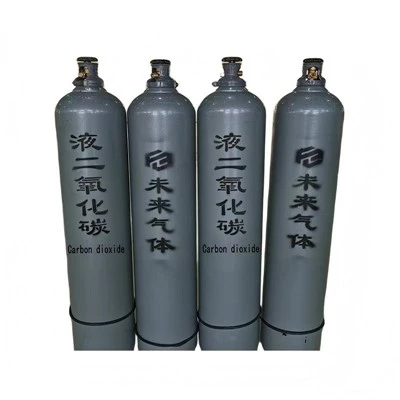
As a CO₂ supplier, we are committed to promoting the sustainable use of CO₂. We believe that by working together with our clients and the wider community, we can reduce the environmental impact of CO₂ emissions.
Helium If you are interested in learning more about our high – quality CO₂ products or have any questions about how we can help you use CO₂ more sustainably, please contact us for a procurement discussion. We look forward to hearing from you and working together towards a greener future.
References
- "Fundamentals of Atmospheric Physics" by Richard M. Goody and James C. Yung.
- "The Physics of Atmospheres" by John Houghton.
- "Climate Change 2021: The Physical Science Basis" – Contribution of Working Group I to the Sixth Assessment Report of the Intergovernmental Panel on Climate Change.
Fortune Gas Co., Ltd.
With abundant experience, we are one of the most professional co2 manufacturers and suppliers in China. We warmly welcome you to buy bulk high quality co2 from our factory. If you have any enquiry about customized service, please feel free to email us.
Address: Building 3, No. 2 Chunchao Road, Yichun Economic and Technological Development Zone, Jiangxi Province
E-mail: Fortunegas_angela@163.com
WebSite: https://www.fortunegascn.com/
