Hey everyone! Let’s cut to the chase—if you’ve ever shopped for solar systems, backup power for your apartment, or just a way to run your essentials during a blackout, you’ve probably stumbled on inverters. And if you’re anything like the hundreds of folks who slide into my DMs or shoot me emails when they’re checking out our inverters, you’ve definitely wondered: “Are these things actually safe to use?” Inverters
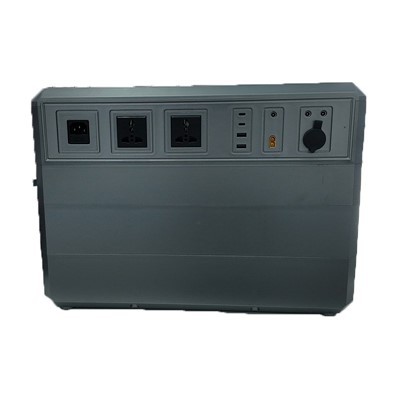
I get it. When you’re messing with electricity—especially high-voltage stuff that can power your fridge, your AC, or even a whole house—your guard goes up. A quick scroll through random forums will give you every takes: “They’ll start a fire!” “They’ll fry my devices!” “Nah, mine’s been running for 5 years no issues.” So let’s get past the noise, talk like real people (no stuffy textbook jargon), and break this down straight from the inverter supplier side—because that’s what I do every single day, all day long.
First off, let’s level set on what an inverter actually does, because half the confusion comes from mixing it up with other power gear. Your home runs on AC (alternating current), right? That’s the stuff that comes out of the wall socket. Solar panels, car batteries, the portable power station you keep in your garage—those run on DC (direct current). Inverters are just the middleman that converts DC to usable AC so your stuff doesn’t throw a fit. Simple. That’s it. They’re not some sketchy lab experiment gone wrong—they’re a super common, essential piece of gear for anyone who uses off-grid power, solar, or backup power.
Now, the big safety question. Let’s start with the most common scare story I hear: “Inverters cause fires!” Is that possible? Let’s be real—any electrical device can have a defect. Your phone charger, your space heater, even your fridge has a tiny fire risk if it’s faulty. But the good news is, modern inverters (the kind we sell) have built-in safety features that actually make them way safer than old, unregulated models you might’ve seen 10+ years ago.
Wait, let’s get specific about those safety features, because this isn’t just marketing fluff. Let’s run through the ones we put in every inverter we ship, no exceptions:
First, overcurrent protection. Think of this like a circuit breaker that’s built inside the inverter, not just in your main panel. If something goes wonky—like you plug in too many space heaters on one circuit, or a device short-circuits—this feature cuts power instantly before it can overheat wires or catch fire. I’ve seen this in action dozens of times: a customer runs a power tool and a microwave off their inverter at the same time, the inverter senses the overload, beeps, and shuts down for 10 seconds, then kicks back on when they unplug one thing. No fire, no fried devices, just a little heads-up.
Then there’s overvoltage and undervoltage protection. Batteries (the power source for most inverters) hate voltage spikes or drops, right? If your battery gets overcharged, it can swell, leak, or even catch fire (we’ve all heard horror stories about cheap power stations). A good inverter stops that cold. It keeps the battery’s voltage in a safe range, so it never gets pushed too hard. Same if the battery runs too low—this feature tells the inverter to shut off before the battery dies, which actually extends the life of your battery too. Win-win.
Thermal protection is another big one. Inverters generate a little heat when they work, just like your laptop. If they get too hot—like if they’re crammed in a tiny closet with no ventilation, or left in the sun all day—this feature either slows the inverter down or shuts it off to cool off. We always tell customers: don’t stuff your inverter in a shoebox. Put it in a well-ventilated spot, like a garage shelf or a porch (not in direct sun). That’s not just us being picky—thermal protection works way better when the inverter isn’t surrounded by heat.
And let’s not forget isolation protection, especially for off-grid or solar inverters. This separates the high-voltage parts of the inverter from the low-voltage parts you touch—so if you’re adjusting a setting or plugging in a cord, you don’t get a shock. I’ve had a customer test this once by holding the plug while the inverter was running (don’t do that, by the way!) and he felt nothing. That’s isolation protection doing its job.
Now, let’s address the elephant in the room: the “cheap inverter” problem. If you buy a no-name inverter off Amazon for $50 that has zero safety features, yeah, that’s a risk. I’m not gonna sugarcoat that. Those are often made with cheap components, no quality checks, and they skip all the safety stuff to cut costs. But that’s not a fault of inverters as a category—that’s a fault of buying garbage. All the inverters we sell go through third-party safety testing (we’re not gonna name the labs, but you’ve heard of them) to make sure they meet global safety standards. We won’t touch an inverter that doesn’t pass that test, period.
Wait, what about people saying inverters fry their electronics? I get that too. Let’s break that down. Most of the time, that’s not the inverter’s fault—it’s the user’s fault, or a bad installation. For example, if you plug a tiny 100-watt inverter into your car’s cigarette lighter and try to run a 1500-watt space heater, you’re gonna have a bad time. The inverter can’t handle the load, it might send wonky power, and your space heater (or your car’s wiring) will suffer. Or if you wire a solar inverter wrong, with mismatched panels, it can send spikes. But if you size the inverter correctly for your devices, and install it right, the power coming out of a modern inverter is almost the same as the power from your wall socket. We test this all the time—we plug in a voltmeter and an oscilloscope to check the AC wave, and it’s a clean sine wave, just like the grid. No weird spikes, no distorted power that’ll mess up your laptop or TV.
I also get questions about inverters and kids or pets. Let’s be real—if you’re using a 120-volt inverter (standard in most homes), the shock might hurt, but it’s not lethal, unlike 240-volt line voltage. But again, safety features help here. If a kid sticks a fork in an inverter outlet (please don’t let kids play with electrical stuff!), the inverter senses the short, cuts power instantly, so no bad stuff happens. That’s why we cover all outlets when we ship inverters for residential use, and we recommend mounting them high up if you have little ones running around.
Now, let’s talk about real-world use cases, because this isn’t all just theory. I have a long-time customer who lives in a rural area where power goes out at least once a week during storm season. He’s had our 5000-watt inverter running his fridge, well pump, and whole set of lights for 7 years. No fires, no fried devices, no issues. Another customer has a solar setup on his RV—he takes our 2000-watt inverter cross-country, runs his AC, his coffee maker, his laptop, and his little TV. He’s had only one issue, and it was because he left the inverter in his truck in 110-degree heat for a day—thermal protection kicked in, it shut down, and it worked fine once it cooled off. That’s the safety feature doing its job, not breaking.
What about maintenance? Do inverters need any upkeep to stay safe? Yeah, a little, but it’s super easy. Every few months, just check that the vents are clear of dust and debris—like, if it’s in a dusty garage, just blow a little canned air on the vents. Don’t use a hose or wet cloth, obviously—electricity and water don’t mix. Also, check the connections on the battery and the inverter to make sure they’re tight, no loose wires. Loose wires can overheat, which is a fire risk. That’s it. Ten minutes a quarter, and your inverter will be good for 10+ years.
Wait, let’s bust one more myth: inverters are only for big homes or off-grid people. No way. We sell hundreds of small 1000-watt inverters to apartment dwellers who want backup power for their Wi-Fi and laptop when the power goes out. Those are just as safe, same safety features as the big ones. We also sell portable inverters for tailgates or camping—same thing. No extra risk, as long as you use them right.
Now, let’s get to the supplier perspective, because that’s where trust comes in. I don’t sell junk. I’d never sell something that could put someone’s home or family at risk. Every inverter we ship has a 2-year warranty, and if someone has an issue, we’re there to help. If you have a question about sizing, installation, or even if you’re just not sure which inverter is right for you, shoot us a message. We’ll walk you through it, no pressure.
So to circle back to the original question: Are inverters safe to use? The short answer is yes—if you buy a quality inverter, use it correctly, and follow basic safety steps. The risks only come when you cut corners: buying no-name gear, overloading it, cramming it in a spot with no ventilation, or ignoring simple maintenance. That’s not a flaw of inverters—that’s a flaw of bad habits or bad purchases.
If you’re in the market for an inverter, whether it’s for backup power, solar, camping, or your home, don’t stress about safety. Just do your research, buy from a reputable supplier (hi, that’s us!), and follow the guidelines. We’ll make sure you get an inverter that’s tested, reliable, and has all the safety features to keep you and your stuff safe.

If you wanna chat about what inverter is right for your needs, or ask more questions about safety, hit us up. We’re here to help, no sales pitch if you don’t want it—just straight answers.
Lead-acid Alternative Battery References:
- International Electrotechnical Commission (IEC) 62109: Safety of power converters for use in photovoltaic power systems
- Underwriters Laboratories (UL) 1741: Standard for inverters, converters, chargers, and controllers for use in distributed energy resources systems
- National Fire Protection Association (NFPA) 70: National Electrical Code, Article 690 (Solar Photovoltaic Systems) and Article 705 (Interconnected Distributed Resources)
- U.S. Department of Energy (DOE) Office of Energy Efficiency & Renewable Energy: “Inverter Safety Best Practices for Residential Solar Systems”
Shandong Yaoqian Energy Storage International Trade Co., Ltd.
We’re well-known as one of the leading inverters manufacturers and suppliers in China, featured by quality products and good price. Please rest assured to buy customized inverters made in China here from our factory.
Address: Lithium Battery Industrial Park, Xingcheng Street, Zaozhuang High-tech Zone, Shandong Province, China
E-mail: boss@yaoqiansmart.com
WebSite: https://www.yaoqiansmart.com/
