Hey there! I’m Jake, and if you’re reading this, you probably work with special aluminum profiles — maybe you’re a fabricator, a hardware store owner, or someone who’s just trying to keep those custom extrusions looking good. As someone who’s been a special aluminum profiles supplier for over a decade, I’ve seen it all: customers guessing how to clean those tricky profiles, ruining finishes because they used the wrong stuff, or even wasting money on products that do nothing. Today, I’m breaking down exactly how to clean special aluminum profiles without messing them up. No fancy jargon, just real stuff I’ve picked up working side-by-side with builders and DIYers. Special Aluminum Profiles

First off, let’s get one thing straight: special aluminum profiles aren’t like plain old sheet aluminum. The ones we supply have all kinds of details — grooved edges, anodized layers, powder-coated finishes, maybe even custom extrusions for windows, vehicles, or industrial machinery. Each of those features has different needs. A lot of people think “aluminum is aluminum” and grab the same cleaner they use for their grill, but that’s a fast way to scratch your profile or strip the protective coating. Let’s start with the basics: why do special aluminum profiles get dirty in the first place? When they’re on a job site, they pick up dust, drywall mud, grease from nearby tools, even industrial grime if you’re working in a factory. If you’re storing them outside, maybe bird droppings or salt residue (if you’re near the coast). And all that gunk? If you leave it, it can etch into the surface over time, especially the anodized ones. So cleaning them regularly isn’t just about looks — it’s about making your profiles last.
Let’s split this into two categories: first, general maintenance for everyday dirt, and second, deep cleaning for tough, stuck-on messes. That way you don’t overdo it on regular cleans, which can damage the finish. For everyday stuff — like light dust or fingerprints — you don’t need anything fancy. I tell all my customers to keep a bucket of warm water and a mild, pH-neutral soap on hand. Not dish soap (wait, no — some dish soaps are really harsh, like the ones with degreasers to cut through baked-on grease). I mean the gentle stuff, like the kind you use for baby bottles or cleaning car interiors. Grab a soft microfiber cloth (never a scouring pad or a rough sponge — those leave tiny scratches that turn into rust-looking spots over time) and wipe the profile down. For those little grooves or edges where dust gets trapped, use a soft-bristled toothbrush (the old kind you’re throwing out works perfect) to work the water and soap into the crevices. Then rinse with clean water — don’t let soap dry on the surface, that leaves spots. Pat dry with another microfiber cloth, and you’re done. That’s it for weekly or after-job cleaning. I can’t tell you how many customers skip rinsing and end up with weird white residue all over their nice profiles — don’t be that guy.
Now, the stuff that’s not so easy: grease, oil, dried concrete splatter, bird droppings, or salt. These are the times you need a little more power, but you still have to be careful. Let’s talk about each common tough mess first, because they’re different.
Grease and oil are super common — especially if you’re working with mechanical parts or automotive profiles. A lot of people reach for oven cleaner here, but that’s a big no. Oven cleaner has lye, which eats through aluminum, even the anodized kind. Instead, use a commercial aluminum degreaser that’s specifically made for extrusions. A lot of these are eco-friendly too, which is a plus if you’re working indoors. Spray it on (don’t douse it — too much liquid can get stuck in the grooves and cause water spots if you don’t rinse right away), let it sit for 2-3 minutes (read the bottle, some are too strong to leave longer), then wipe with a microfiber cloth. For really thick grease, you can gently rub with the soft toothbrush again, but don’t scrub hard — that can scratch. Rinse well, dry.
Next, dried concrete or cement splatter. This one is tricky because if you use too much force, you’ll scratch the profile. Never use a wire brush — I’ve seen people do that, and it ruins the finish in seconds. Instead, grab a plastic scraper (like the kind for removing paint from windows) and hold it at a 45-degree angle to the profile. Gently chip at the concrete — don’t push hard, just let the scraper do the work. Once most of it’s off, use the same warm soapy water and soft brush to get the leftover residue. If there’s still a little left, you can use a mild acid — like white vinegar mixed with water (50/50) — but only on bare aluminum or anodized. Never use vinegar on powder-coated profiles, it will strip the color. Wait, let’s clarify the finishes here: we supply three main types of special aluminum profiles, and each has cleaning rules: 1) Anodized (thin protective layer, good for most cleaners except harsh acids/bases), 2) Powder-coated (thick, colored finish, gentle cleaners, no vinegar or ammonia), 3) Bare aluminum (for machining, can handle a bit more, but still no harsh abrasives). That’s a key point I always make clear to new customers — if you don’t know your profile’s finish, check the spec sheet we send you, or shoot me a message. I’m always happy to help.
Bird droppings or animal waste? These are acidic, so the longer you leave them, the more they etch into the surface. Don’t let them sit overnight. For fresh droppings, gently wipe with warm soapy water first — don’t rub, that spreads the acid. If they’re dried, spray a little water on them to soften, let it sit 5 minutes, then wipe. Again, no rough scrubbing. Salt residue is big for coastal customers — salt is super corrosive to aluminum. If you’re in a beach town, rinse your profiles with fresh water every two weeks, and once a month, use a mild detergent wash, then dry completely. Leaving salt on there will cause pitting, which is a nightmare to fix.
Now, what should you never do? I’ve made a list of things customers try all the time that mess up their profiles, so save yourself the hassle. First, no abrasive cleaners like Comet or Ajax — those have tiny particles that scratch the surface, which can lead to corrosion later. Second, no bleach or ammonia-based cleaners — these break down the protective anodized layer and fade powder coating. Third, no pressure washing with a high PSI. I know you might think that’s quick, but 1500 PSI can blast right into the grooves of your special aluminum profiles, strip coatings, and even bend thin extrusions. If you must use a pressure washer, keep it under 800 PSI, hold it at least 12 inches away, and use a wide spray pattern, not a narrow one. Fourth, no steel wool — same as wire brush, it leaves metal particles that rust on aluminum, leaving ugly brown spots. I’ve seen all these mistakes, so trust me on this one.
Wait, what about if your profiles have really stubborn stains — like water spots from hard water, or oxidation? Hard water spots are common if you don’t dry after rinsing. For those, mix a small amount of baking soda with water to make a paste, rub it gently on the spot with a microfiber cloth, then rinse and dry. Baking soda is mild, so it won’t scratch. For light oxidation (that dull, cloudy look on bare aluminum), you can use a non-abrasive aluminum polish — again, not the one for boat hulls that has harsh abrasives. Apply a thin layer, buff with a clean cloth, and it’ll bring back the shine. But if the oxidation is really bad, don’t try to buff it yourself — that’s when you need to re-anodize, which we can help with as a special aluminum profiles supplier.
Now, let’s talk about storage, because cleaning is only half the battle. A lot of people clean their profiles and then store them wrong, so they get dirty again fast. If you’re storing them indoors, keep them on a rack, not directly on the floor — that keeps them off dust and moisture. Wrap them in plastic sheeting if they’re not going to be used for more than a week. If you’re storing outside, cover them with a breathable tarp (not plastic, which traps moisture) and elevate them off the ground. That way, rain doesn’t pool on them, and bird droppings don’t sit right on the surface.
I know a lot of you reading this are working on tight deadlines, so I get why you might skip a step here or there. But from my experience, taking 10 extra minutes to clean your special aluminum profiles right saves you from having to replace them later — which is way more expensive. I once had a customer who tried to clean his powder-coated automotive profiles with a degreaser meant for metal, and he had to throw away $2,000 worth of parts. That’s a huge mistake, and I try to warn people about that.
At the end of the day, special aluminum profiles are an investment. Whether you’re using them for storefronts, RV parts, industrial machinery, or custom furniture, they’re built to last if you take care of them. If you’re not sure about the best way to clean a specific profile you have — especially if it’s a custom extrusion — don’t guess. Reach out to me. As your go-to special aluminum profiles supplier, I can point you to the right products, tell you what works for your finish, and even share tips from other customers who’ve been in your shoes. We don’t just sell you profiles — we help you keep them in top shape.
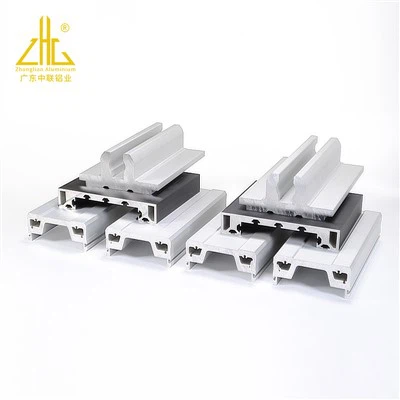
So if you’re working on a project and need high-quality, durable special aluminum profiles, or you have questions about cleaning yours, hit us up to connect for procurement. We’re here to make your job easier, no matter the size. Don’t let a bad clean ruin a good profile — follow these steps, and your extrusions will look as good as the day you got them for years to come.
Brushed Aluminum Profile References
- Aluminum Extruders Council. (2021). Care and Maintenance of Aluminum Extrusions for Architectural and Industrial Applications.
- Surface Treatment Technology Association. (2022). Proper Cleaning Methods for Anodized and Powder-Coated Aluminum Finishes.
- Coastal Construction Products Journal. (2020). Corrosion Prevention for Aluminum Profiles in Marine Environments.
- International Zinc Association. (2019). Avoiding Common Mistakes in Aluminum Profile Care and Cleaning.
Foshan Pailian Aluminium Ltd
Foshan Pailian Aluminium Ltd is one of the most professional special aluminum profiles manufacturers and suppliers in China. With the aid of experienced staff and advanced equipment, we can assure you the high quality, high precision and excellent design of our products. Come and wholesale the cheap special aluminum profiles made in China here from our factory. Customized orders are welcome.
Address: 1802A, 1802B, 1802C, 1802D, 1802E,18th Floor, Aluminum Association Building, NO.70 Lingnan Road,DALI FOSHAN CITY,GUANGDONG ,CHINA
E-mail: zhlaluminum@gmail.com
WebSite: https://www.pailian-aluminium.com/
