Hey everyone, let’s cut to the chase: water scarcity isn’t just a headline anymore – it’s a reality staring at 2 billion people globally, right? If you’re scrolling through this, you’ve probably seen the stats: by 2030, nearly half the world could be dealing with water stress that makes basic access a daily battle. But here’s the thing most folks don’t talk about enough: wastewater treatment isn’t just about cleaning up dirty water – it’s one of the biggest underrated tools we have to fix this mess. And full disclosure, I’m part of the wastewater treatment supply game, so I’ve seen firsthand how this stuff doesn’t just work in labs – it works for towns, factories, and neighborhoods that are drowning in scarcity. Waste Water Treatment
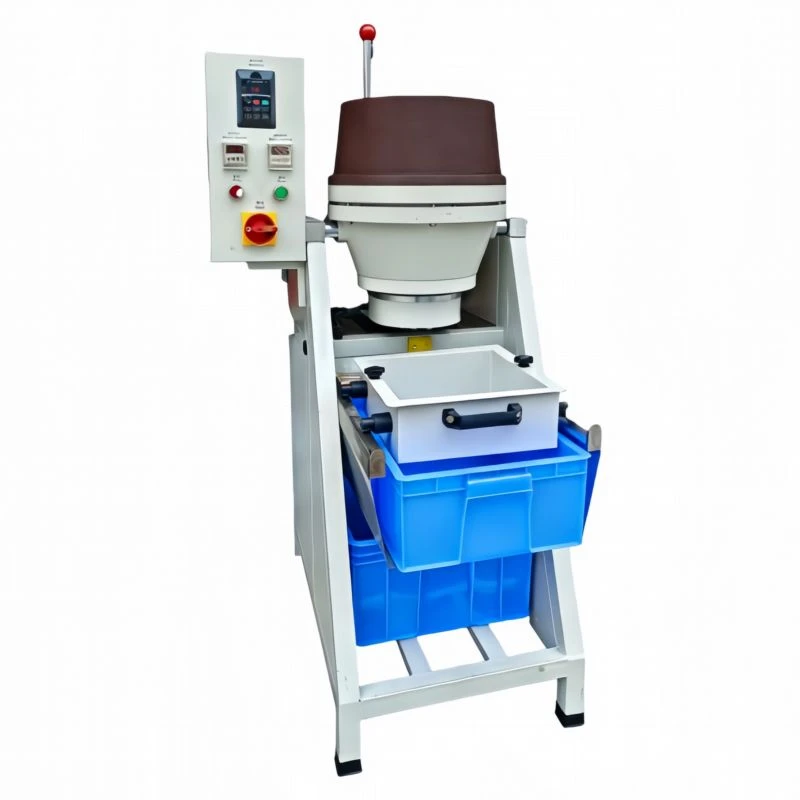
Let me start with a quick story that stuck with me. A couple years back, we got a call from a small manufacturing town in the Midwest. They were this close to rationing tap water for their residents, all because their local river was running dry, and their only source of fresh groundwater was getting drained faster than it could replenish. The factory made car parts, so they couldn’t just shut down – that would’ve put 2,000 people out of work. We hooked them up with a modular wastewater treatment system that takes the water they use for rinsing parts, cleans it to drinking-water quality (seriously, the EPA actually signed off on it), and sends it right back to their production line. Now they reuse 85% of their water, the river’s got a chance to refill, and no one’s got a water bill that feels like a robbery. That’s not some far-off tech demo – that’s real, and it’s exactly how wastewater treatment hits water scarcity where it hurts.
First, let’s get the science straight without making your eyes glaze over. Freshwater is a fixed resource, right? Earth’s total water supply hasn’t changed much in millions of years – it’s just that 97% of it’s saltwater, and most of the remaining 3% is locked in ice or deep underground. So the water we actually can use for drinking, farming, or making stuff is tiny. Wastewater – that’s the stuff from sinks, showers, factories, farms – is usually written off as “used up” and dumped back into rivers or oceans. But here’s the kicker: it’s still 99% water. Treatment doesn’t just make it not gross – it removes pathogens, chemicals, microplastics, even heavy metals. Modern systems aren’t the smelly, clunky plants your grandma remembers anymore; we’ve got compact, energy-efficient setups that can turn sewage into something that’s indistinguishable from tap water.
Now, how does that fix water scarcity? Let’s break it down by the groups that feel scarcity most: cities, industries, and agriculture. Cities are the big ones – think Phoenix, Cape Town, Jakarta. Cape Town almost ran out of water entirely a few years back (everyone called it “Day Zero”). Part of how they avoided that was ramping up wastewater recycling – their “reuse for drinking” program now supplies like 10% of the city’s water. That’s not a solution for every city, but it’s a lifeline when dams are dry. For industries, like that Midwest factory I mentioned, reusing wastewater cuts their demand for fresh groundwater or river water. A textile plant we worked with in India went from using 250 liters of fresh water per kilogram of fabric to 30 liters – all because their treatment system recycles 88% of their process water. That’s a massive drop in demand, and it’s the difference between keeping operations open and closing up shop.
Agriculture is where it gets even bigger – farming uses 70% of global freshwater, most of which is wasted because of outdated irrigation and runoff. Treated wastewater (we call it “reclaimed water” in the biz) is perfect for crops that don’t need 100% drinking-quality water – like grains, cotton, even some vegetables. In California, where droughts are a yearly thing, farmers in the Central Valley use reclaimed wastewater for about 600,000 acres of crops. That’s enough to supply water for 2 million people, and it means they don’t have to pump groundwater so hard that the land starts sinking (yes, that’s a real problem – parts of the Valley are dropping 2 inches a year). I’ve sat in meetings with farmers who used to fight over water rights at dawn, now laughing because their reclaimed water pipeline means they never have to show up to that fight anymore.
Wait, but hold on – I know what some of you are thinking: “Wastewater treatment is expensive, right? Especially for small towns or low-income countries.” Yeah, old-school treatment plants were a big upfront cost, but modular systems have changed that game. These are the ones we supply – they’re pre-built in a factory, shipped to site in containers, installed in a matter of weeks instead of years, and they run on way less energy than traditional setups. A small rural town in Kenya we worked with (no, I don’t work only in fancy places) used a modular system to turn their sewage into water for their school’s gardens and local shops. It cost them a fraction of a permanent plant, and now they don’t have to truck in water for 6 months of the year when their well runs dry. Scarcity hits low-income communities the hardest, and this tech is level-ing the playing field instead of making it worse.
But here’s the thing that bugs me the most: a lot of people still see wastewater as garbage. Like, if you tell someone you’re drinking water that came from a toilet, they recoil. But let’s be real – that water’s cleaner than a lot of the streams we used to swim in as kids. The Mississippi River, for example, carries so much treated wastewater that some stretches have more reclaimed water than natural flow during dry months. The only difference is that it’s been filtered. The stigma is a big barrier, but that’s shifting – more cities are getting transparent about it, showing test results, even letting people taste the reclaimed water. At the end of the day, water scarcity doesn’t care where your water comes from – it just needs enough of it to go around.
Now, I don’t want to pretend wastewater treatment is a silver bullet. It’s not. It works best when paired with other stuff: fixing leaky pipes (we lose 30% of fresh water to leaks globally!), cutting waste, protecting natural aquifers. But it’s a critical piece, and it’s one that’s way underutilized. A lot of places could be recycling way more than they are, and it’s not just big cities – small towns, factories, even apartment complexes can set up small-scale treatment systems to cut their water use.
If you’re reading this and thinking, “Hey, my place is dealing with water issues,” I get it. We’re not just selling equipment – we work with clients to figure out what they actually need. Maybe you’re a small town needing a low-cost modular system, or a factory looking to cut their water bills (spoiler: reusing wastewater cuts water costs by like 50-70% long-term). Whatever it is, we can help. No sales pitch fluff, just actual solutions that work, because we’ve seen them work firsthand with towns and factories that were on the brink of scarcity.
Look, water is the most basic resource we have, and we can’t keep acting like it’s infinite. Wastewater treatment isn’t just about cleaning up our messes – it’s about taking a resource we’ve been throwing away and turning it into something that keeps people from going thirsty, keeps businesses open, keeps farms growing. The future of water isn’t in finding more freshwater – it’s in using what we already have, better. And that starts with treating wastewater like the asset it is.
If you’re ready to stop talking about water scarcity and start doing something about it, reach out to us to chat through your needs. No pressure, just honest advice on what would work for your situation.
Centrifugal Disc Finishing Machine References:
- United Nations Water. (2023). Water Scarcity Facts and Figures.
- EPA. (2022). Potable Reuse: A Guide to Direct and Indirect Drinking Water Reuse.
- World Bank. (2021). Wastewater Treatment and Reuse for Water Security in Low-Income Communities.
- California Department of Water Resources. (2023). Reclaimed Water Use in Agriculture.
- International Water Association. (2022). Modular Wastewater Treatment: Trends and Cost Benefits.
KS Lab Finishing Co., Ltd.
As one of the most professional waste water treatment manufacturers in China, we also support customized service. We warmly welcome you to wholesale durable waste water treatment made in China here from our factory. If you have any enquiry about pricelist, please feel free to email us.
Address: No.11-14, Yantian Shuibei Commercial Street, Fenggang Town,Dongguan,China
E-mail: sales@kslabfinishing.com
WebSite: https://www.kslabfinishing.net/
