As a supplier of fully automatic production lines, I’ve witnessed firsthand the critical importance of emergency stop functions in these complex systems. In this blog, I’ll delve into what these emergency stop functions are, why they’re essential, and how they contribute to the overall safety and efficiency of a fully automatic production line. Fully Automatic Production Line
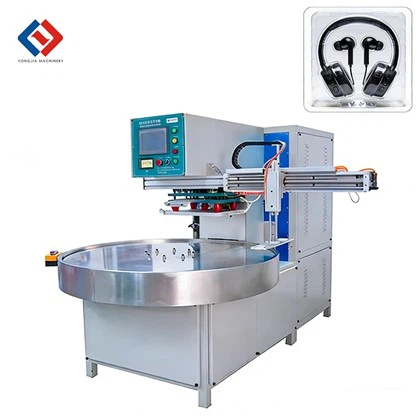
Understanding Emergency Stop Functions
Emergency stop functions in a fully automatic production line are designed to halt all operations immediately in the event of an emergency. These emergencies can range from equipment malfunctions and safety hazards to human errors. The primary goal of these functions is to prevent further damage to the equipment, protect the operators, and minimize the impact on production.
There are two main types of emergency stop functions: hardwired and software-based. Hardwired emergency stops are physical buttons or switches that are directly connected to the power supply of the production line. When pressed, they cut off the power to all the equipment, bringing the entire line to a halt. These are typically located at easily accessible points along the production line, such as near the operator stations or at the entrance of the production area.
Software-based emergency stops, on the other hand, are controlled through the production line’s control system. They can be activated remotely or through a specific command sent to the control system. These functions are often used in conjunction with hardwired emergency stops to provide an additional layer of protection.
Why Emergency Stop Functions are Essential
The importance of emergency stop functions cannot be overstated. In a fully automatic production line, where multiple machines are working in tandem at high speeds, a single malfunction can have catastrophic consequences. Here are some of the key reasons why emergency stop functions are essential:
Safety
The safety of the operators is the top priority in any production environment. Emergency stop functions provide a quick and reliable way to stop the equipment in case of an emergency, preventing accidents and injuries. For example, if a worker’s clothing gets caught in a moving part of the machine, the emergency stop button can be pressed immediately to stop the machine and prevent further harm.
Equipment Protection
Emergency stop functions also help protect the equipment from damage. In the event of a malfunction, such as a motor overheating or a conveyor belt jamming, the emergency stop can be activated to prevent further damage to the equipment. This can save the company a significant amount of money in repair and replacement costs.
Production Continuity
While emergency stops are designed to halt production in case of an emergency, they also play a crucial role in ensuring production continuity. By quickly stopping the equipment in case of a problem, the emergency stop functions can prevent the spread of the problem and minimize the downtime. This allows the production line to resume operations as soon as possible after the issue has been resolved.
How Emergency Stop Functions Work
The operation of emergency stop functions depends on the type of system and the specific requirements of the production line. However, the basic principle remains the same: to cut off the power to the equipment and bring it to a safe stop.
In a hardwired emergency stop system, the emergency stop button is connected to a safety relay. When the button is pressed, the safety relay is activated, which cuts off the power to all the equipment in the production line. The safety relay is designed to be fail-safe, meaning that it will remain in the activated state until it is manually reset.
In a software-based emergency stop system, the emergency stop function is controlled through the production line’s control system. When the emergency stop command is issued, the control system sends a signal to all the equipment in the production line to stop. The control system also monitors the status of the equipment and can automatically activate the emergency stop function if it detects a problem.
Implementing Emergency Stop Functions
Implementing emergency stop functions in a fully automatic production line requires careful planning and design. Here are some of the key considerations:
Location
The emergency stop buttons should be located at easily accessible points along the production line. They should be clearly visible and labeled, and within reach of the operators. In addition, there should be multiple emergency stop buttons located throughout the production area to ensure that they can be reached quickly in case of an emergency.
Testing and Maintenance
Emergency stop functions should be tested regularly to ensure that they are working properly. This includes testing the hardwired emergency stop buttons and the software-based emergency stop functions. In addition, the emergency stop system should be maintained regularly to ensure that it is in good working condition.
Training
Operators should be trained on how to use the emergency stop functions properly. This includes knowing where the emergency stop buttons are located, how to activate them, and what to do after the emergency stop has been activated. Training should be provided on a regular basis to ensure that all operators are familiar with the emergency stop procedures.
Conclusion
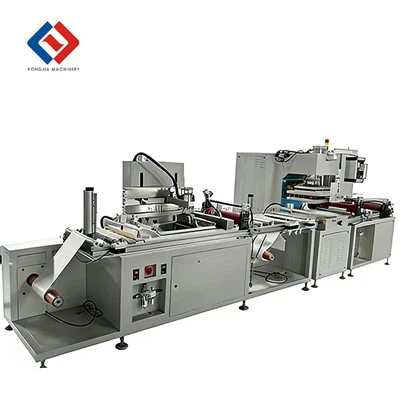
Emergency stop functions are an essential part of any fully automatic production line. They provide a quick and reliable way to stop the equipment in case of an emergency, protecting the operators, the equipment, and the production process. As a supplier of fully automatic production lines, we understand the importance of these functions and are committed to providing our customers with the highest quality emergency stop systems.
Fully Automatic Production Line If you’re interested in learning more about our fully automatic production lines and the emergency stop functions they offer, please don’t hesitate to contact us. We’d be happy to discuss your specific requirements and provide you with a customized solution.
References
- International Electrotechnical Commission (IEC). (2019). Safety of machinery – Emergency stop – Principles for design. IEC 60204-1.
- Occupational Safety and Health Administration (OSHA). (2012). Machinery and machine guarding. 29 CFR 1910.212.
- American National Standards Institute (ANSI). (2015). Safety requirements for industrial robots and robot systems. ANSI/RIA R15.06.
Dongguan Yongjia Machinery Equipment Co., Ltd.
We are one of the most reliable fully automatic production line manufacturers and suppliers in China, specialized in providing high quality customized service. Please feel free to wholesale advanced fully automatic production line at low price from our factory. For quotation, contact us now.
Address: No. 240, Chashan South Road, Chashan Town, Dongguan City, Guangdong Province, China
E-mail: info@yjwelding.com
WebSite: https://www.yjhighfrequencymachine.com/
