Hey there! I’m a supplier of wide-wheel centerless grinders, and I’ve been in the business for quite some time. Over the years, I’ve learned a thing or two about what it takes to create the right working environment for these powerful machines. In this blog post, I’ll share with you the key requirements for a wide-wheel centerless grinder’s working environment. Wide-Wheel Centerless Grinder
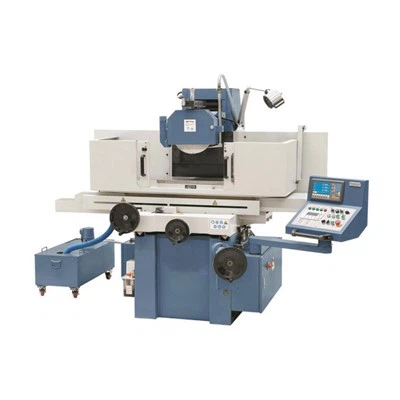
Space and Layout
First off, space is crucial. You need to have enough room around the grinder for safe operation. It’s not just about the size of the grinder itself; you also need to consider the space for loading and unloading workpieces, as well as access for maintenance. A good rule of thumb is to leave at least a few feet of clearance on all sides of the machine.
The layout of the workshop also matters. You want to arrange the grinder in a way that makes the workflow smooth. For example, if you’re using a conveyor system to feed workpieces into the grinder, make sure there’s no obstruction in the path. Also, think about where the finished parts will go. Having a dedicated area for sorting and storing them can save a lot of time and hassle.
Lighting
Proper lighting is a must. Working with a wide-wheel centerless grinder requires precision, and you need to be able to see what you’re doing clearly. Dim lighting can lead to mistakes and even accidents. So, install bright, uniform lighting around the grinder. Fluorescent or LED lights are great options because they provide good illumination without generating too much heat.
You might also want to consider adding task lighting. This can be especially useful for tasks like setting up the grinder or inspecting the workpieces. A flexible, adjustable task light can be positioned exactly where you need it.
Ventilation
Grinding generates a lot of dust and debris. If you don’t have proper ventilation, this can pose a serious health risk to your workers. The dust can contain harmful substances like metal particles and coolant mist. Long – term exposure to these can cause respiratory problems and other health issues.
Install a ventilation system that can effectively remove the dust and fumes from the work area. An exhaust hood above the grinder is a good start. It can capture the dust right at the source. You can also use a dust collector to filter and collect the dust, making sure it doesn’t recirculate into the air.
Temperature and Humidity Control
The temperature and humidity in the working environment can have a big impact on the performance of the wide – wheel centerless grinder. Extreme temperatures can cause the machine components to expand or contract, affecting the accuracy of the grinding process. High humidity can lead to rust and corrosion on the machine and workpieces.
Try to keep the temperature in a stable range. Most wide – wheel centerless grinders work best at temperatures between 60°F and 80°F (15°C to 27°C). You can use air conditioning or heating systems to maintain the right temperature. As for humidity, aim for a relative humidity of around 40% to 60%. A dehumidifier or humidifier can help you achieve this if necessary.
Flooring
The flooring in the area where the grinder is located needs to be in good condition. It should be strong enough to support the weight of the grinder and any heavy workpieces. A smooth, non – slippery surface is also important for safety. If workers are constantly walking around the grinder, a slippery floor can lead to falls and injuries.
Concrete floors are a popular choice for grinder workshops because they are durable. However, you might want to consider adding anti – fatigue mats in areas where workers stand for long periods. These mats can reduce the stress on their feet and legs, making the working environment more comfortable.
Electrical Supply
A reliable electrical supply is essential for a wide – wheel centerless grinder. The grinder usually requires a high – power electrical connection. Make sure your electrical system can handle the load. You don’t want to deal with power outages or voltage fluctuations, as these can damage the grinder’s electrical components.
It’s also a good idea to have proper grounding for the machine. This helps to prevent electrical shocks and protects the equipment from electrical surges. If you’re not sure about the electrical requirements, consult an electrician. They can help you make sure everything is set up correctly.
Maintenance Access
Easy access for maintenance is often overlooked but is extremely important. You need to be able to reach all the parts of the grinder for routine maintenance and repairs. Design the workspace in such a way that there are no obstacles blocking access to essential components like the grinding wheel, belts, and motors.
Keep a clear path to the control panel and all the adjustment knobs. This way, you can quickly make any necessary changes to the grinder’s settings. Having a well – organized storage area for spare parts nearby can also speed up the maintenance process.
Noise Control
Grinding is a noisy process. Excessive noise can not only be annoying but also cause hearing damage to your workers. To reduce the noise level, you can use sound – absorbing materials in the workshop. For example, you can line the walls with acoustic panels.
You can also install enclosures around the grinder. These enclosures can help contain the noise and prevent it from spreading throughout the workshop. Additionally, make sure your workers wear proper hearing protection, such as earplugs or earmuffs.
Safety Measures
Safety should always be your top priority. Install safety guards around all the moving parts of the grinder, such as the grinding wheel and the conveyor system. These guards can prevent workers from accidentally getting caught in the machinery.
Have emergency stop buttons easily accessible. In case of an emergency, workers should be able to quickly shut down the grinder. You should also provide safety training to all employees who will be operating the grinder. Make sure they understand how to use the machine safely and are aware of all the potential hazards.
In conclusion, creating the right working environment for a wide – wheel centerless grinder is essential for its performance, the safety of your workers, and the overall efficiency of your operation. If you’re planning to set up a workshop or looking to improve the existing one, keep these requirements in mind.

If you’re interested in purchasing a wide – wheel centerless grinder or have any questions about the working environment requirements, feel free to reach out. I’d be more than happy to assist you in any way I can. Just start a conversation with me, and we can discuss your specific needs and how I can help you achieve the best possible results.
Precision Surface Grinder References
- Industry Best Practices for Machine Tool Working Environments
- Safety Standards for Grinding Machines
Wuxi Mingxu Machinery Equipment Co., Ltd.
As one of the most professional wide-wheel centerless grinder manufacturers and suppliers in China, we’re featured by quality products and good price. Please rest assured to buy the best wide-wheel centerless grinder for sale here from our factory. Also, custom service is available.
Address: No. 5-5 Jinke Wealth Plaza, Changjiang North Road, Xinwu District, Wuxi City, Jiangsu Province
E-mail: yingyingmxjd@163.com
WebSite: https://www.mingxu-china.com/
