If you’ve ever called a tow company in the middle of a breakdown on a dark highway, you know that the tow truck that shows up matters more than most people think. When I started our tow truck supply business 12 years ago, I didn’t just sell equipment— I listened to tow operators complain about the jobs that made their days longer, their risks higher, and their clients more frustrated. The biggest pain point I heard over and over? Towing vehicles without causing extra damage, and moving them safely through tight, busy spaces. That’s why we’ve focused so heavily on wheel-lift tow trucks over the years, and why today I want to break down exactly why these trucks aren’t just a popular choice— they’re a game-changer for tow operators, fleet managers, and even the people whose cars are on the side of the road. Tow Truck
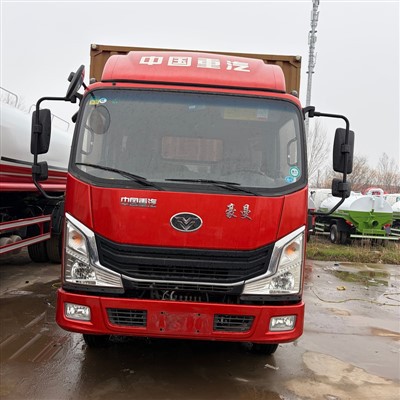
First, let’s get clear on what a wheel-lift tow truck is, because I’ve seen a lot of confusion between this and other common tow truck types. Unlike a flatbed, which carries the entire vehicle on a flat metal surface, or a hook-and-chain truck (the old-school kind that wraps chains around the axles or frame), a wheel-lift uses a metal cradle that connects directly to the front or rear wheels of the disabled vehicle— most often the drive wheels. That cradle is raised hydraulically, so the vehicle’s wheels are off the ground entirely, and it’s secured with straps that wrap around the wheels, not the frame or body. It sounds simple, but that difference changes almost every part of a tow job for the better.
Let’s start with one of the biggest advantages: reduced risk of damage to the towed vehicle. I can’t tell you how many stories I’ve heard from operators who used hook-and-chain trucks back in the day, showing me photos of scraped frame rails, bent axles, or even damage to the undercarriage of luxury cars, electric vehicles, or classics worth a small fortune. Hook-and-chain trucks exert a lot of force on the chassis— when you yank a disabled car from the road, the chains can dig into metal, leave permanent scratches, or even crack parts of the frame. Flatbeds avoid that by lifting the whole car, but they come with their own set of risks, too. If a flatbed isn’t aligned perfectly, it can scratch the bottom of a new car, especially the battery trays or sensitive wiring under EVs, which are expensive to repair or replace. Wheel-lifts, on the other hand, only touch the wheels. The cradle is designed to fit tire sizes from compact sedans to full-size pickups, and because it’s hydraulically operated, it’s gentle enough for delicate parts. I sold a wheel-lift to an operator in a wealthy suburb last year who told me he used to avoid towing luxury sports cars because hook-and-chain jobs were too risky— now that’s 70% of his calls, and his damage claims dropped by 85% in the first six months. That’s not a small number; less damage means happier clients, fewer insurance headaches, and more repeat business.
Next, there’s the versatility that makes wheel-lift trucks work for almost every tow job, not just the easy ones. Let’s think about the different situations tow operators face every day: a small sedan stuck in a residential driveway with a tight turnaround, a full-size pickup with a flat tire on a two-lane road, an electric vehicle with a dead battery that needs to be taken to a shop that’s 20 miles away, even a motorcycle that got tipped over in a parking lot. Wheel-lifts handle all of these, and they do it better than many other tow types. For example, in tight urban spaces— like a narrow side street in a big city, or a driveway that’s barely wide enough for a car— a flatbed is often too long to maneuver. A wheel-lift truck is shorter, more agile, and can position itself much closer to the disabled vehicle without needing extra space. I have a customer in Chicago who runs a 24/7 tow service, and he told me that 40% of his calls come from the downtown area where parking lanes are narrow and streets are crowded. Before he switched to all wheel-lifts, he missed 10-15 jobs a week because flatbeds couldn’t fit, or he’d have to wait 20 minutes for a spot to open up to turn around. Now he misses almost none, and his response time is down by 30%.
Versatility also comes into play when you’re dealing with different vehicle types. Let’s talk about electric vehicles, which are way more common now than they were even five years ago, and they have unique towing needs. EVs don’t like being towed with their drive wheels on the ground, because that can damage the motor or the battery’s cooling system. Hook-and-chain trucks can’t easily lift just the drive wheels (and if they do, they’re putting unnecessary stress on the frame), and flatbeds work but they take more time to load and unload. A wheel-lift, though, is designed to connect directly to the drive wheels— front or rear, depending on the EV— so you lift only those, which is the safest way to tow an EV without putting strain on other parts. We’ve had several fleet managers who run tow services for new car dealerships tell us that wheel-lifts have become their go-to for all new EVs, because it’s faster, safer, and avoids the extra cost of damage from improper towing. Even for larger vehicles, like full-size pickups or small box trucks, wheel-lifts can handle them as long as they’re within the weight limit (most standard wheel-lifts can carry up to 10,000 pounds, which covers 90% of all passenger vehicles on the road today).
Another big win for tow operators is the speed and efficiency of wheel-lift jobs. Time is money in this industry— every minute you spend on a job is a minute you can’t be on another call. Let’s compare loading times: a flatbed can take anywhere from 8 to 15 minutes to load a car, because you have to back the car up the ramp, align it perfectly, secure it on both sides, and make sure the locking mechanisms are set correctly. A wheel-lift takes half that time, usually 3 to 7 minutes, because you just pull up next to the disabled car, connect the cradle to the wheels, lift it a foot or two off the ground, strap it down, and you’re ready to go. That’s a huge difference for operators who are handling multiple calls a day, especially during peak hours like rush hour or after a crash. I worked with an operator in Houston who dealt with a lot of traffic accidents on the highway, and he told me that during peak times, he could fit three extra jobs a shift by using wheel-lifts instead of flatbeds. Over a month, that’s 60 extra jobs, which translates to thousands of dollars in extra revenue— that’s a game-changer for small tow companies that are just starting out, or even for larger fleets looking to boost their bottom line without adding more trucks.
Then there’s the safety factor, which I can’t emphasize enough. Tow truck driving is one of the most dangerous jobs in the United States, with far higher rates of fatalities than most other industries, and a lot of those risks come from how you load and unload vehicles, especially on busy roads. Wheel-lift trucks reduce that risk in two key ways. First, because they’re smaller and more agile, they’re easier to maneuver in tight spaces, which means operators don’t have to park as far from the disabled vehicle, or risk getting into an accident themselves while trying to turn a large flatbed around. Second, the loading process is less physically strenuous, and there’s less risk of the towed vehicle shifting or falling during transport. Flatbeds require operators to be careful that the car is secured properly, but if a strap breaks or a locking mechanism fails, the whole car could slide off the flatbed, which is a major hazard on a highway. With a wheel-lift, the cradle is under the wheels, so even if a strap comes loose, the vehicle can’t shift off the tow truck. That peace of mind is huge for operators, especially when they’re working at night, in bad weather, or on a busy highway where other cars are zooming past. I’ve had several customers tell me that since switching to wheel-lifts, they’ve had zero incidents of a towed vehicle shifting or falling during transport, which has cut their insurance premiums by 15-20%— that’s another big cost savings.
Wait, let’s not forget about the cost of ownership, which is a big consideration when you’re investing in new tow trucks. A lot of operators assume that flatbeds are more durable, or cheaper to maintain, but that’s not always the case. Wheel-lift trucks have fewer moving parts than flatbeds, so there’s less that can break. Flatbeds have ramps, alignment systems, and larger suspension components that take more wear and tear every time you load a heavy vehicle. Wheel-lifts have a hydraulic system that’s designed to lift and lower the cradle, and that system is built to last, even with regular use. I’ve had a wheel-lift we sold 10 years ago still in service, with very few major repairs, while the flatbed that same operator bought at the same time has needed new ramps, new hydraulic pumps, and multiple alignment repairs over the years. Fuel efficiency is another factor: wheel-lift trucks are often lighter than flatbeds of the same towing capacity, so they get better gas mileage. For operators who are on the road 12 hours a day, that adds up to hundreds of dollars a month in fuel savings, which is more money they can put back into their business.
Now, let’s address the one downside that some people bring up: weight limits. Most standard wheel-lifts can carry up to 10,000 pounds, which covers almost all passenger cars, SUVs, and pickups, but if you’re towing a very large vehicle, like a semi-truck or a bus, a wheel-lift isn’t going to work as well. But that’s a niche use case— 95% of all tow jobs are for passenger vehicles, so that limit doesn’t matter for most tow operators. We’ve had customers who occasionally need to tow larger vehicles, so they keep one heavy-duty flatbed on the side, but their primary fleet is all wheel-lifts, because that’s what they use 80% of the time. It’s about choosing the right tool for the job, and wheel-lifts are the right tool for the vast majority of calls.

At the end of the day, a tow truck is more than just a piece of equipment— it’s your livelihood. When you choose a wheel-lift, you’re choosing fewer damage claims, faster jobs, happier clients, lower costs, and a safer work environment for you and your team. We’ve been supplying tow truck operators across the country for over a decade, and we’ve seen firsthand how wheel-lifts can turn a struggling tow company into a thriving business, or help a large fleet streamline their operations and increase their revenue. If you’re tired of dealing with damaged vehicles, missed jobs, high maintenance costs, or the stress of working with outdated equipment, I’d be happy to walk you through our wheel-lift models, answer any questions you have, and help you figure out how to fit these trucks into your fleet. We work with companies of all sizes, from small two-operator shops to large regional fleets, and we customize every truck to meet your specific needs. Reach out when you’re ready to talk through your options, and let’s get you the equipment that will make your business run smoother, safer, and more profitably.
Used Bulldozer References:
- National Highway Traffic Safety Administration. (2022). Towing Industry Safety and Operational Best Practices. U.S. Department of Transportation.
- Automotive Fleet. (2023). 2023 Tow Truck Equipment Guide: Comparing Wheel-Lift vs. Flatbed Models. Endeavor Business Media.
- International Parking & Mobility Institute. (2021). Urban Tow Operations: Efficiency and Space Constraints in Dense Environments. IPMI.
- Electric Vehicle Association of North America. (2022). Safe Towing Protocols for Battery Electric and Hybrid Vehicles. EVA.
- Bureau of Labor Statistics. (2023). Occupational Outlook Handbook: Heavy Vehicle and Mobile Equipment Service Technicians and Tow Truck Drivers. U.S. Department of Labor.
Liangshan Guanyue Auto Trading Co., Ltd.
As one of the leading tow truck manufacturers and suppliers in China, we warmly welcome you to buy bulk high quality tow truck at low price from our factory. If you have any enquiry about pricelist and quotation, please feel free to email us.
Address: Liangshan County, Jining City, Shandong Province
E-mail: guanyuetruck@gmail.com
WebSite: https://www.gytruck.com/
