If you’ve ever spent time on a construction site, a landscaping job, or even moving a large batch of furniture or equipment, you’ve probably seen side board trailers in action. As a side board trailer supplier, I get at least a dozen questions a day from potential customers—small business owners, independent contractors, even first-time homeowners—and the most consistent one after “what size trailer should I get?” is “do I need a special license to drive this thing?” Side Board Trailer
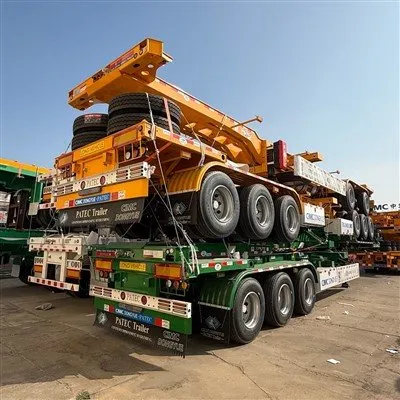
It’s a great question, and the short answer is: it depends. But the long answer is way more nuanced than most people realize. Over the past 12 years selling side board trailers, I’ve seen customers get in trouble for guessing wrong on license requirements, get frustrated at the DMV for not knowing the exact rules in their state, and even avoid buying a trailer entirely because they thought they needed a commercial license to tow something that fits in their driveway. Let’s break this down clearly, because the last thing I want is for someone to invest in a trailer they can’t legally tow, or to pay for extra licensing they don’t actually need.
First, let’s define what we’re talking about here. A side board trailer (sometimes called a flat-side trailer or a stake-side trailer) is an open-top trailer with removable vertical sides, usually made of wood or metal, that you can adjust or take off entirely to haul tall, bulky loads like lumber, bags of mulch, furniture, or landscaping debris. These aren’t the tiny 4×6 utility trailers you tow behind a small sedan for a few bags of mulch, but they also aren’t the 40-foot heavy-duty trailers you see on interstates being pulled by semi-trucks. Most of the side board trailers we sell to regular people range from 6×10 feet up to 7×16 feet, with a gross vehicle weight rating (GVWR) that usually tops out around 7,000 pounds. That GVWR number is the biggest factor in license requirements, and it trips up so many people.
In the United States, there’s no single federal rule for towing license requirements—they’re set by each individual state, plus the District of Columbia. That means a rule in California could be totally different from one in Texas or Ohio, which is why so many people are confused. But there are some national baseline guidelines, and the vast majority of the time, if you’re towing a side board trailer for personal use or a small business operation, you won’t need a special commercial or CDL (Commercial Driver’s License) license. Let’s get specific on the weights, because that’s where the lines are drawn.
Most states use two key numbers to determine if you need a special license: the GVWR of the trailer alone, and the combined GVWR of the trailer plus the vehicle towing it. For example, let’s take Ohio, where I’m based. If you’re towing a side board trailer with a GVWR of 7,000 pounds or less, and your tow vehicle (say, a half-ton pickup truck) has a combined GVWR with the trailer under 10,000 pounds, you don’t need any special license beyond a standard Class D driver’s license. That’s true for about 40% of the states in the U.S.—they use that 10,000-pound combined weight threshold as the cutoff for requiring a special non-commercial or commercial license. But some states have lower cutoffs, and that’s where people go wrong.
Take Massachusetts, for example. Their rule is that any trailer with a GVWR over 3,000 pounds requires you to have a Class A or Class B non-commercial license, unless you meet a specific exemption: if you’re towing the trailer for personal, non-commercial use, and the combined GVWR of your tow vehicle and trailer is under 12,000 pounds, you can use a standard license. Wait, that’s a loophole, right? So even if your side board trailer is 5,000 pounds (which is common for a 7×12 side board trailer), as long as your pickup is rated to tow it and the combined weight is under 12,000, you don’t need anything extra. But if you’re towing that same 5,000-pound trailer for a landscaping business, that exemption doesn’t apply, and you might need a special license. That’s the part most people miss: whether you’re using the trailer for personal or commercial use also factors in.
Other states have even stricter rules. New York, for instance, requires a non-commercial Class E license for any trailer with a GVWR over 1,000 pounds, as long as the combined weight of the tow vehicle and trailer is under 26,000 pounds. Wait, that sounds like a big number, but if your side board trailer is 6,000 pounds, and your half-ton pickup is 5,500 pounds, that combined is 11,500 pounds—way under 26,000—so you still need that Class E license, which is just a standard driver’s license with an extra endorsement. But some people confuse that with a CDL, which is a separate thing. A lot of customers ask me if side board trailers require a CDL, and the answer in almost all cases is no, unless you’re towing a trailer that’s over 10,000 pounds GVWR combined with your tow vehicle, or you’re using it for interstate commerce or for-hire work that crosses state lines. That’s a big distinction.
Interstate commerce is another factor that comes up if you’re a small business owner. If you’re towing a side board trailer across state lines to deliver materials or do a job, the Federal Motor Carrier Safety Administration (FMCSA) has rules that apply if your vehicle and trailer combination has a GVWR over 10,001 pounds. In that case, you might need a U.S. Department of Transportation (DOT) number and, depending on the weight, a medical certificate, but not necessarily a CDL. But if you’re staying in-state, those FMCSA rules don’t apply, and you just follow your state’s requirements.
I’ve seen firsthand how confusing this is. Last year, a customer from Chicago came to us looking for a 7×16 side board trailer to haul stone for his patio business. He thought he needed a CDL to tow it, so he put his purchase on hold for six months while he got the testing done. When we talked him through Illinois’ rules, we found out his trailer’s GVWR was only 6,500 pounds, his half-ton pickup is rated for 5,000 pounds, and the combined weight was 11,500 pounds—way under Illinois’ 26,000-pound combined threshold for non-commercial towing. He didn’t need a CDL, he didn’t need extra licensing, and he could have bought the trailer that day. He told us he’d wasted hundreds of dollars on unnecessary tests because he Googled “side board trailer license” and got a mix of conflicting state and federal rules.
That’s why as a side board trailer supplier, I always tell customers: start with two things. First, look up your specific state’s DMV or Department of Motor Vehicles towing rules—their official website is the only source you should trust, not random blog posts or forum comments. Second, know the exact GVWR of both your trailer and your tow vehicle. That number is on the registration for each, usually on the door jamb of your tow vehicle and the VIN sticker of the trailer. It’s not the maximum towing capacity of your vehicle (that’s a different number, usually higher), it’s the total weight the vehicle and trailer are rated to carry together.
But wait, there are exceptions to almost every rule. For example, some states offer temporary exemptions for trailers used for agricultural purposes, or for trailers under a certain age. And if you’re towing a side board trailer that’s been modified—like if you add a winch or extra equipment that increases its weight over the listed GVWR—you could be breaking the law, regardless of your license. I always advise customers to never overload their trailer, not just because of licensing, but because it’s dangerous. Overloaded trailers sway on the highway, cause accidents, and can damage your tow vehicle.
Another common myth: if you have a standard driver’s license, you can tow any side board trailer. That’s not true in states like Maine, where any trailer over 4,000 pounds GVWR requires a special non-commercial endorsement, even if you’re towing it for personal use with a standard pickup. I had a customer from Maine a few months ago who bought a small 6×10 side board trailer from us. He had a standard license, but when he went to register it, the DMV told him he needed to take a short test to get the trailer endorsement because it was over 4,000 pounds. It took him an extra week to get that done, and he told me he never would have known if I hadn’t warned him to check Maine’s specific rules before buying.
Now, what if you’re a small business owner, not just hauling for personal use? Let’s say you run a landscaping company, and you use your side board trailer to haul mulch, plants, and tools to job sites. In most states, if you’re using the trailer for business purposes, that doesn’t automatically mean you need a CDL. But if you’re charging for the service, or using the trailer to haul goods for hire, some states will categorize it differently. For example, in Florida, a trailer used for commercial purposes has a lower weight cutoff for special licensing: 2,000 pounds GVWR, versus 3,000 for personal use. So if you’re a landscaper in Florida, your 2,500-pound side board trailer would require a special commercial license endorsement, whereas a homeowner hauling mulch with the same trailer would only need a standard license. That’s a huge difference, and it’s why checking your state’s rules for business use is critical.
I also work with a lot of contractors who tow side board trailers with work trucks, and the most common question I get is about CDLs. Let’s clarify that once and for all: a CDL is only required if you’re operating a commercial motor vehicle (CMV). The FMCSA defines a CMV as a vehicle or combination of vehicles with a GVWR of over 10,000 pounds, used for interstate commerce, or designed to transport 16 or more passengers, or to haul hazardous materials. So unless your side board trailer combination is over 10,000 pounds GVWR, and you’re doing interstate commerce, you don’t need a CDL. That’s a big relief for most small contractors, who are towing 7,000 to 9,000-pound combined vehicles.
But I will say this: even if you don’t need a special license, towing a side board trailer requires some basic skills that you might not have if you’ve never towed anything before. Side board trailers have open sides, so they can sway more than enclosed trailers, especially if you’re hauling bulky loads. You’ll need to adjust your driving: leave more space between you and the car in front, slow down for turns and hills, and practice backing up in an empty parking lot before you take it on busy roads. That’s a tip I always share with customers, even if they don’t need a special license—safety comes first, no matter what the rules say.
As a side board trailer supplier, my job isn’t just to sell you a trailer—it’s to make sure you can use it legally and safely. I’ve seen too many customers get frustrated by confusing rules, so that’s why I always ask for two things when someone is considering a purchase: what state do you live in, and what will you be towing with? With that information, I can point them to the right resources to check their local requirements, so they don’t end up buying a trailer that they can’t tow, or paying for licensing they don’t need.
If you’re in the market for a side board trailer, whether for personal use around your property or for your small business, don’t let license requirements stop you before you start. The best first step is to check your state’s official DMV website, where you’ll find up-to-date, accurate rules specific to your location and use case. And if you have questions about our side board trailers, their weight ratings, or what licensing might apply to your situation, I’m here to help. We can walk you through the details, make sure you have all the information you need to make a confident purchase, and set you up with a trailer that fits your needs and your local regulations.

When you’re hauling materials for a home project or running a small business, the last thing you want is to run into legal issues on the road. By taking 10 minutes to check your state’s rules, and getting clear on the weight and use of your side board trailer, you can avoid that stress and get back to the work that matters. Don’t let misinformation or confusing online posts derail your plans—reach out to learn more about our side board trailers and how we can help you stay legal and safe on every trip.
Trucks References
- Federal Motor Carrier Safety Administration. (2023). What is a Commercial Motor Vehicle? Retrieved from official FMCSA documentation on interstate towing requirements.
- American Association of Motor Vehicle Administrators. (2022). State Towing License Requirements Compilation.
- Ohio Department of Public Safety. (2023). Commercial Driver’s License and Towing Regulation Guide.
- National Trailer Manufacturers Association. (2023). Towing Best Practices and Legal Requirements for Utility and Specialty Trailers.
- Massachusetts Registry of Motor Vehicles. (2023). Non-Commercial Towing Rules and Exemptions.
Shandong Huayuanda Automobile Manufacturing Co., Ltd.
As one of the most experienced side board trailer manufacturers and suppliers in China, our products have good reputation in the market. We warmly welcome you to buy high quality side board trailer at low price from our factory. If you have any enquiry about cooperation, please feel free to email us.
Address: Industrial Park, Quanpu Town, Liangshan County, Jining City, Shandong Province
E-mail: Huayuanda2024@163.com
WebSite: https://www.hydtrailer.com/
