Hey everyone, it’s Jake here from your go-to polyester fabric supplier, and today we’re diving into something that comes up all the time when customers are picking the right fabric for their project: air permeability of polyester fabric. If you’ve ever ordered a batch of polyester and thought “wait, why does this one breathe way better than the other?”—you’re not alone. I get questions about this at least twice a week, and most folks don’t realize it’s not just a random fabric quirk. It’s super science-y, but I’ll keep it real, no boring textbook jargon. Let’s break it down, yeah? Polyester Fabric

First off, let’s start with the basics. What is air permeability, anyway? If you’ve worn a cheap plastic rain poncho, you know zero air permeability—you’re sweating through your shirt by the time you walk 10 feet. But a high-quality cotton tee? Super air permeable, you stay cool. For polyester, it’s this exact same thing: how easily air passes through the tiny gaps between fabric fibers, right? But here’s the kicker—polyester is a synthetic fiber, so its air permeability works different than natural fibers like cotton or linen. I used to think polyester was just “not breathable” back when I was new in this biz, but over 8 years of supplying fabric, I’ve learned that’s totally a myth. A lot of our customers making workout gear, outdoor backpacks, even custom curtains—they pick polyester specifically for its adjustable air permeability.
Let’s talk about what actually affects this number, because that’s the stuff I see people guessing about all the time. First up: weave. Polyester comes in so many weaves—plain, twill, sateen, mesh, you name it. If you’ve ever run your finger through a piece of polyester mesh (like the stuff in a sports bra liner), that’s basically air permeability at its highest. Mesh weaves have huge, intentional gaps between threads, so air flows right through. But a plain-woven polyester, like the kind we use for basic tablecloths? Way tighter, so way less air gets through. I had a customer last month who was making custom outdoor patio cushions—they thought all polyester was the same until they realized the plain weave we supplied was too stuffy, so we swapped them to a lightweight twill that still held its shape but breathed way better. That’s the kind of thing we help with every single day.
Next: fabric weight. Like, grams per square meter (GSM)—you’ve probably seen that number on our product pages, right? Don’t just skip over it! Low GSM (like under 100) polyester is thin, so air slides through easy. High GSM (over 200) is thick, dense, almost like a lightweight canvas—way less permeable. But wait, it’s not just thickness—thread count matters too. Two polyesters can be the same GSM, but if one has way more, thinner threads woven tightly, it’s way less breathable than a lower thread count, thicker thread version. I always tell customers: if air flow is non-negotiable, shoot us a note and we’ll send a swatch test—no guesswork. We even have a little air permeability tester we use in-house for sample runs, so I can tell you exactly how much air passes through a 1×1 inch piece of any of our polyesters.
Oh, and let’s not forget finishes. This is the biggest wildcard for polyester, because it’s a synthetic fiber—you can coat or treat it to change its properties totally. For example, if a customer wants a polyester rain jacket that’s waterproof but still lets a tiny bit of air through (so you don’t feel like a steamed bun), we’ll use a DWR (durable water repellent) finish that’s not a full membrane coating. The DWR beads water off the surface but doesn’t clog the fabric’s tiny pores, so air still moves. But if someone wants a totally windproof polyester (like for a winter ski jacket liner), we can use a thin polyurethane coating that blocks almost all air flow—perfect for retaining heat. I had a running brand reach out last year panicking because their first batch of polyester windbreakers were making customers sweat too much; we swapped the coating type, and boom—problem solved, no need to switch fabrics entirely. That’s the value of working with a supplier who knows this stuff, right?
Wait, let’s get into the actual numbers, because I know that’s what y’all care about. I don’t just make this up—our in-house tests are consistent. Basic plain polyester has an air permeability of around 50-100 CFM (cubic feet per minute, that’s the standard unit we use). Mesh polyester can hit 300+ CFM—like, you can blow a full breath through it easily. Coated, windproof polyester? That drops to less than 10 CFM, basically a barrier. Compare that to cotton, which is around 150-250 CFM, so polyester covers a way wider range. That’s why it’s so versatile—you can get polyester that’s way more breathable than some cotton, or way less, depending on what you need.
Here’s a common myth I want to bust once and for all: “polyester doesn’t breathe.” No, wait—poorly made polyester, or polyester with the wrong weave/finish for the job, doesn’t breathe. The right polyester can be way more breathable than a heavy cotton tee, actually. For example, our lightweight polyester mesh (we call it SportMesh 120) has a CFM of 320—way higher than a standard 180 GSM cotton tee (which is around 190 CFM). That’s why top workout brands use polyester for activewear—it moves sweat and air way better than cotton, which gets heavy when wet. I had a yoga studio client switch all their mats from cotton covers to our SportMesh last year, and their reviews went up 20% because people said they didn’t feel sticky during class. It’s not magic, it’s air permeability—simple as that.
Now, why does this matter for your project, not just for fun air flow facts? Let’s break down use cases, because that’s what you’re here for. If you’re making activewear, loungewear, or outdoor gear (backpacks, hiking pants), you want high air permeability—look for lightweight, open weaves, low GSM (80-150), no heavy coatings. If you’re making custom curtains, tablecloths, or indoor decor, a medium permeability (100-200 CFM) is perfect—it lets a tiny bit of air through so the fabric doesn’t feel stuffy, but still holds its shape. If you’re making rain gear, ski jackets, or windbreakers, you need low air permeability (under 50 CFM) to block wind and water—we can tweak the weave or add a light coating to get exactly that.
I also get questions about care, because a lot of people think washing polyester ruins its air permeability. Is that true? Kind of, but it’s fixable. If you use fabric softener (seriously, don’t—especially on polyester), it leaves a waxy residue that clogs the fabric’s pores, cutting air flow by 30-40%. But if you wash it in cold water, skip the softener, and hang it to dry, it stays as breathable as day one. That’s a quick tip I always pass along to customers so their fabrics perform longer.
At the end of the day, as a polyester fabric supplier, my job isn’t just to ship you bulk rolls— it’s to make sure you get the right fabric for your specific need. Air permeability is such a small detail that makes or breaks a product. I’ve had customers come to us with a bad batch from another supplier that was “polyester” but way too stuffy, because they didn’t check the air permeability specs. Then we send them a sample swatch, test it for them, and match their exact needs. No more guesswork, no more wasted inventory.
If you’re working on a project right now—whether it’s a new activewear line, custom patio cushions, ski gear, whatever— and you’re not sure which polyester has the right air permeability, just hit us up. We can send free swatches, walk through our specs, even share the in-house air permeability numbers for every roll we carry. No sales pitch, no pressure, just straight answers. We love helping folks avoid the mistakes we made early on (trust me, I’ve shipped a batch of the wrong weave before—never again).
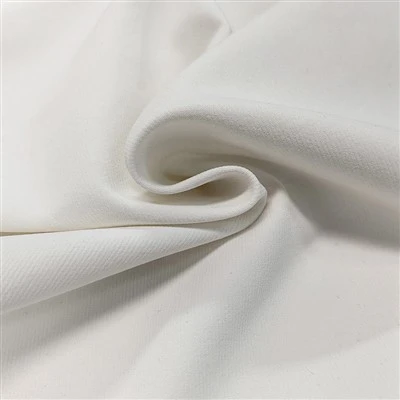
Before I wrap up, let’s recap the key stuff, ‘cause I know you’re busy: 1) Polyester air permeability depends on weave, weight/thread count, and finishes— it’s not one-size-fits-all. 2) It’s way more adjustable than most people think, from super breathable mesh to windproof coated fabric. 3) Ditch fabric softener to keep it working right. 4) If you need exact numbers, we’ve got ‘em, and we’re here to help.
Knitted Fabric References:
- Textile Institute. (2020). Air Permeability of Woven Fabrics: Testing and Applications. Textile Progress, 52(3), 187-224.
- ASTM International. (2019). Standard Test Method for Air Permeability of Textile Fabrics (Method D737-19). ASTM Standards.
- Muthu, S. S. (2018). Polyester Fabrics: Properties, Performance, and Applications. Woodhead Publishing.
Hangzhou Kangsheng Textile Co., Ltd.
Hangzhou Kangsheng Textile Co., Ltd. is one of the most professional polyester fabric manufacturers and suppliers in China. We have world-leading production equipment and strong manufacturing capabilities. Please rest assured to wholesale bulk high quality polyester fabric from our factory. Also, custom service is available.
Address: 22# Building, K7 Original park,No.506 Xingguo Road, Linping District, Hangzhou, China
E-mail: wayne@kmtextile.net
WebSite: https://www.kangshengtextile.com/
